
Impact of fizzy drinks and sugars on teeth

Sweetened beverages

Sweetened beverages have become a treat that many people have every day. Drinking high-sugar soft drinks is commonly associated with obesity, type 2 diabetes, and weight gain, but these can also have an impact on our dental health and smiles.

When you drink fizzy drinks, the sugars contained interact with bacteria in your mouth to form acid. This acid attacks your teeth. Both regular and sugar-free fizzy drinks also contain their own acids, and these attack the teeth too. With each swig, you are starting a damaging reaction that lasts for about 20 minutes. If you sip all day, your teeth are under constant attack.

In this month’s blog the team at Maidstone Dental & Implant Centre look at the main dental effects of drinking fizzy drinks: acid erosion and cavities.

Acid Erosion

Acid erosion begins when the acids present in carbonated beverages come into contact with the tooth enamel, the outermost protective layer of teeth. These acids contribute to a reduction in the surface hardness of the enamel.

Although sports drinks and fruit juices also have the potential to harm enamel, their impact is limited to only this layer of the tooth.

CavitiesCavities

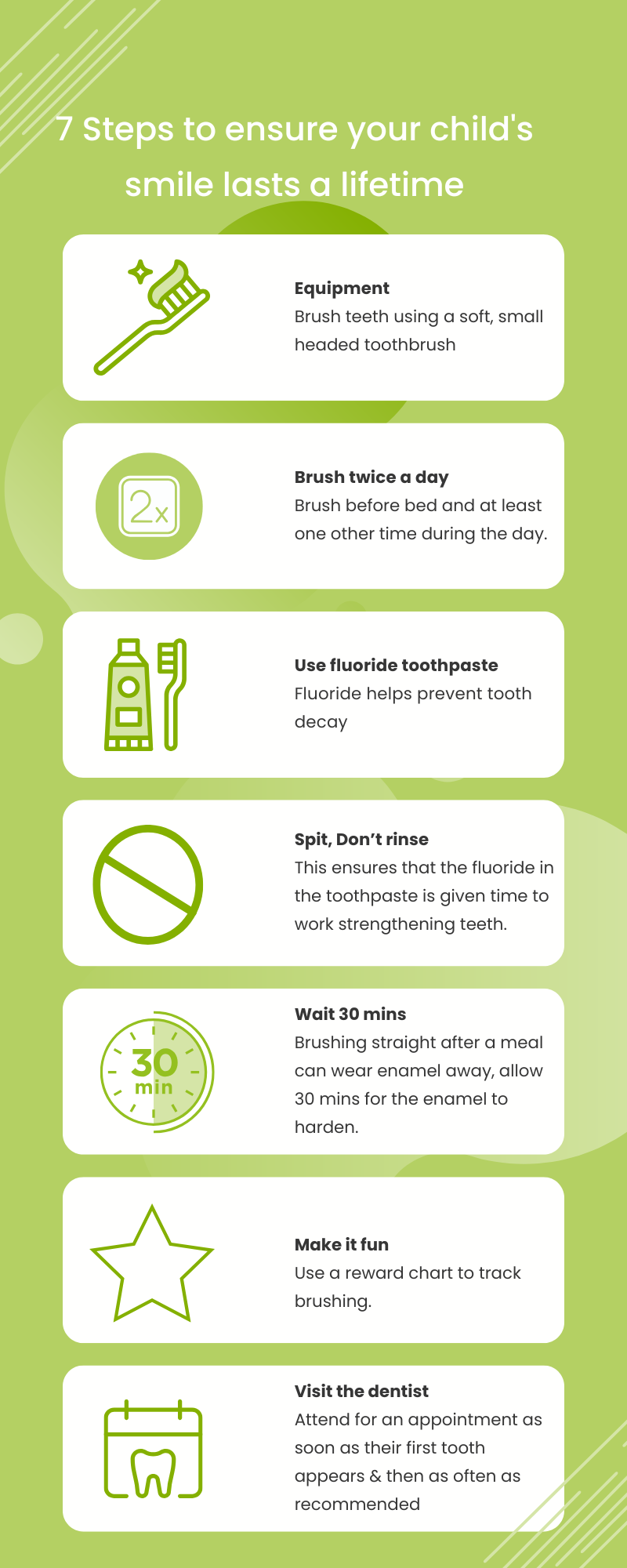
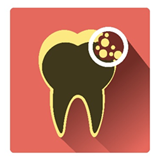
Fizzy drinks, on the other hand, can also affect the next layer, dentin, and even composite fillings. This damage to your tooth enamel can cause cavities. Cavities, or caries, develop over time in people who drink fizzy drinks regularly. Add in poor oral hygiene, and a lot of damage can occur.

How can I prevent damage to my teeth?

Tooth BrushThe obvious solution? Stop drinking fizzy drinks. But many of us just cannot seem to kick the habit. If stopping fizzy drinks is too much of a stretch, there are things you can do to lessen the risk of damaging your teeth.
  • Drink in moderation – Do not have more than one soft drink each day.
  • Drink, don’t sip – Sipping gives the bacteria more time to eat the sugar and to create cavities. Drink quickly to give your body time to wash away the bad stuff. Try to drink sweetened coffees, teas, or fizzy drinks in one sitting instead of sipping on them over a longer amount of time.
  • Rinse your mouth with water afterward – Flushing your mouth with some water after drinking fizzy drinks will help wash away any remaining sugars and acids and stop them from attacking your teeth.
  • Wait before you brush – Despite what you may think, brushing immediately after you have a fizzy drink is not a good idea. That is because the friction against the vulnerable and recently acid-attacked teeth can do more harm than good. Instead, wait 30 to 60 minutes.
  • Use a straw – This will help keep the damaging acids and sugars away from your teeth.
  • Get regular dental appointments – Regular check-ups will identify problems before they worsen.


Dental appointmentsSoft drinks are not a healthy choice, but they are a popular one. If you have to drink fizzy drinks, do it in moderation and protect your dental health in the process.
If you would like to book a routine dental appointment, please contact Maidstone Dental & Implant Centre on 01622 682 029 today!

How long do dental implants last?

Dental implants last

Have you recently lost a tooth? Are you struggling to eat? Do you hide when anyone has a camera?

Dental implants offer a number of benefits that other tooth replacement options, such as dentures and bridges, just cannot offer.

In this month’s blog the team at Maidstone Dental & Implant Centre look at the main benefits of using dental implants to replace your missing tooth.

Prevents bone loss.

When you lose teeth, you also lose bone mass in your jaw. Your jawbone needs the simulation it gets when your teeth connect to maintain its mass. Dental implants are the only tooth replacement option that replaces the jawbone stimulation, helping to prevent bone loss.

Natural teethBlends with your natural teeth

Dental implants can be closely matched to the colour of your surrounding teeth and will perfectly fit the gap where the tooth once was. No one will know which teeth are dental implants except you and the dentist.

Restores bite force.

Dental implants are anchored into your jaw, and they allow you to bite with more or less the same amount of force you could use with your natural teeth.

Maintains your face shape.

Your teeth support your facial structure. Dental implants provide similar support for your face as your natural teeth, preventing it from changing shape.

Enables clear speechEnables clearer speech.

Dental implants feel and function just like natural teeth, enabling you to speak easily and naturally.

No more cavities

Dental implants need to be cared for to prevent bacteria from building up in your mouth and causing infections, but the material dental implants are made of can’t decay. You will never have to worry about cavities again!

Easy to care for

Taking care of dental implants is easy! Just brush and floss like you normally would.

No Slippage

Dental implants are firmly anchored in place and will never embarrass you.

Dental implantsA permanent solution

Dental implants are designed to last for at least 10 years and can last a lifetime.

If you’re in need of a tooth replacement option, you should definitely consider dental implants. To find out if you’re a good candidate for dental implants, schedule a consultation. Here at Maidstone Dental & Implant Centre, we have over 30 years’ experience in providing top quality cosmetic dentistry and the very best in dental care. To find out how we can help you restore your smile now, give our friendly team a call on 01622 682 029.

3 benefits of interdental cleaning

3 benefits

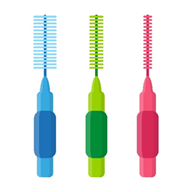
As we eat and drink, we collect debris between our teeth, causing staining and eventually potential plaque build-up which can lead to damage. Whether it is crisps, biscuits, chocolates, fruit, meats, or any corrosive foods, you will naturally gather debris and even more so if you have gaps between teeth. This is where interdental cleaning will help.

Did you know that brushing alone only reaches 60% of the tooth surface? Dental plaque builds up between your teeth where a toothbrush does not reach. Plaque usually hardens on the teeth with-in 24 to 36 hours, this is why it is so important to ensure that you use interdental cleaning aids daily.

In this month’s blog the team at Maidstone Dental & Implant Centre look at the benefits of interdental cleaning

Pervent tooth clayPrevent Tooth Decay and Gum Disease

Regular use of interdental cleaners removes plaque, which if left can lead to tartar build up. Inter-dental cleaning helps to prevent tooth decay and can reduce your risk of developing gum disease.

Many people who suffer with sensitive or bleeding gums may be tempted to avoid interdental cleaning for fear of making their bleeding gums worse. But in fact, interdental cleaning can improve the health of your gums, thereby helping to prevent them from bleeding. The fact that your gums are bleeding makes it even more important that you continue with your interdental cleaning.

Reduces Bad Breath

Bad breath (halitosis) is a common problem. But interdental cleaning can help to keep bad breath away. When food gets trapped between your teeth, it slowly starts to decay. If you do not remove the food particles, it can cause you to have foul-smelling breath.

Also, if plaque builds up around or between your teeth and starts eroding your tooth enamel, it can cause cavities and gum disease, which contribute to bad breath.

Inter dental cleaningHealth Benefits of Interdental Cleaning

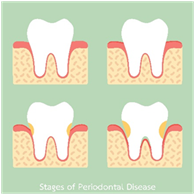
Daily flossing does not just keep your teeth healthy – practicing good oral hygiene contributes to your health in other ways, too. In fact, there is an increasing amount of evidence linking periodontal disease to an increased risk of heart disease, diabetes, strokes, poor pregnancy outcomes and even dementia. Looking after the health of your gums through a good oral hygiene routine is even more important than ever.

Using interdental cleaning aids daily combined with brushing using a fluoride toothpaste can help to protect against gum disease by removing plaque and food particles, keeping your teeth and gums healthy, while giving you a beautiful smile. Interdental cleaning is essential to your smile’s health, no matter what your age.

If you would like more help or advice on improving your oral health, call Maidstone Dental & Implant Centre today, on 01622 682 029, and book an appointment with one of our hygienists.

Dental crowns

Dental crowns

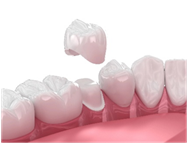
Alongside our Cosmetic Dentistry, Teeth Straightening, and Dental Implant services the team at Maidstone Dental & Implant Centre also offer a full range of General Dentistry treatments including regular check-ups, fillings, and Dental crowns. If you are considering having a crownfitted, repaired, or replaced it is likely that you’ll have lots of questions about the treatment process and caring for your teeth afterwards. One of the most frequent questions we get asked is how long do dental crowns last?

Dental crowns sit over teeth like small caps and are used for a wide variety of reasons. Much like fillings, they are one of the options we use to repair and protect damaged or decaying teeth from further harm.

Dental crowns can also be used to fix cosmetic dentistry issues by covering crooked teeth helping to give you a whiter, brighter smile. Broken, chipped or visibly damaged teeth can also be improved with the use of dental crowns, and our expert team can talk through all the options available to you in your initial consultation session.

Dental crownsHow should you look after your Dental Crowns?

Dental crowns are used as a treatment to protect damaged teeth or improve your smile, and we often get asked if they are permanent. On average dental crowns can last for up to 15 years or more with the right aftercare. You do not actually need any specialist treatments to look after your dental crowns, unless it becomes damaged, and you can usually treat it just as you would a natural tooth.

Regular teeth brushing twice a day and daily flossing will help to maintain the condition of the crown as well as benefiting your overall oral health. You should also continue to attend regular dental check-upswith your general dentist and hygienist. Your dentistwill be able to advise you on how best to look after your teeth and how to keep your crown clean.

Even though crowns can last up to 15 years, this does not mean that they are indestructible within that time frame. Like your regular teeth, dental crowns are susceptible to chipping, cracking or increased wear and tear if they are not looked after properly.

Dental crownsWhen should you replace a Dental Crown?

Dental crowns are a long term solution it’s important that you attend regular dental check-ups so your dentist can check the signs and symptoms that indicate when your crown is coming to the end of its natural lifespan. If you have chipped, cracked, damaged or dislodged your crown, then it will need to be repaired or replaced .This is to ensure that the tooth underneath continues to be protected and does not sustain any further damage or decay.

While crowns cannot decay because they are made of ceramic, the tooth underneath can. If your dental crown was created and fitted to protect a damaged or decayed tooth, then you need to make sure that you follow all your dentist’s advice to keep the crown, tooth and gum line clean and healthy. A build-up of plaque could cause the tooth underneath to start, or continue, to decay. If you notice any tenderness or swelling from your crown or the tooth it is covering, please arrange to see your dentist as soon as possible to avoid the problem becoming more severe.


Dental crownsFind out more!

As you can see, dental crown are an excellent treatment option to strengthen and protect any damaged teeth and give you back your smile confidence. There really is no straight forward answer to the question of how long dental crowns last because it varies so greatly from person to person. But by following the guidance of your dental team and practising great oral care at home you can make sure your crown and your natural teeth stay healthy and secure.

If you would like to discuss our dental crown treatments please get in touch today on 01622 682 029 to book a consultation and find out how our expert team at Maidstone Dental & Implant Centre can help you reclaim your smile.

5 Dental Myths Busted!!

Facts myths

When it comes to taking care of your smile, there are a number of misconceptions that can cause damage to your oral health. In this month’s blog the team at Maidstone Dental & Implant Centre look to dispel some of these myths.

Dental cleaningMyth 1 – The harder you brush the cleaner your teeth will be.

Brushing too hard or using a toothbrush with stiff bristles can damage your oral health by eroding the enamel that protects teeth and causing the gums to start to recede. Here at Maidstone Dental & Implant Centre we advise that you always use either a soft or medium bristled toothbrush or an electric toothbrush to help protect your teeth and gums from toothbrush abrasion.

Myth 2 – Interdental cleaning is not necessary

Brushing alone only reaches around 60% of tooth surfaces. Using interdental cleaning aids such as floss, floss picks or interdental brushes, help to reach those surfaces in between teeth that brushing alone misses. Food and bacteria left between teeth, can give off a bad odour, causing bad breath and if the bacteria are left to multiply can cause gum disease and tooth decay. Make sure you use interdental cleaning aids daily to keep your smile looking its best.

Myth 3 – If your gums bleed, stay clear

The reason that your gums bleed when brushing is inflammation, caused by a build-up of plaque or bacteria. If you notice any bleeding when you brush or floss it is important that you are even more thorough with your oral hygiene routine to help remove the build-up of plaque or bacteria. Over time with careful cleaning the gums will become healthier, and the bleeding will stop.

Rynse mouthMyth 4 – It is important to rinse your mouth after brushing.

It is important to spit, not rinse after brushing. This enables the fluoride in your toothpaste to continue working on your teeth promoting enamel mineralisation. Fluoride promotes the formation of a compound called fluorapatite, which is very close to compounds that occur naturally in your teeth. Fluorapatite incorporates itself into the enamel, strengthening your teeth against cavities. Rinsing your mouth immediately can remove helpful fluoride.

Myth 5 – You do not need a dental check-up if you are not in pain.

With many dental issues, you do not necessarily feel pain right away. If you leave going to the dentist until you start to notice symptoms it will require much more complex treatment to rectify them. If you wait until a cavity hurts, you could end up needing a root canal or extraction but with regular check-ups the problem could be fixed with a simple filling. By attending for regular routine dental appointments the dentist is able to find problems up to 7 years before they cause you pain.

If you would like to find out more about how common misconceptions could be damaging your dental health, do not hesitate to contact Maidstone Dental & Implant Centre today on 01622 682 029 to book a consultation appointment today!

What does a dental hygienist do?

What does a dental hygienist do?

A dental hygienist is a highly trained member of the dental team who specialises in the treatment of gum disease and provides oral hygiene instruction.

The hygienist will perform thorough scaling of your teeth to remove any plaque or calculus present, which, if left untreated, can lead to tooth decay and gum disease. They will also advise you on the best ways to maintain your oral hygiene between appointments. Additionally, they will provide targeted advice to care for dental implants and teeth straightening appliances. They may also recommend smoking cessation, as smoking has a detrimental effect on dental health, increasing the risk of gum disease and staining.hygienist

How often should I see the hygienist?

The frequency of your visits to the hygienist will depend on the condition of your oral health. Initially, it may be necessary to schedule appointments every three months in order for the hygienist to manage any gum disease effectively. As long as you maintain a proper oral hygiene routine between visits, the interval between appointments can be extended to every four months and, eventually, every six months.

Benefits of seeing the hygienist.

There are several benefits to seeing the hygienist and they include:

  • Demonstrations on effective tooth brushing techniques to remove plaque without causing tooth wear and receding gums.
  • Discussions on the latest oral hygiene products.
  • Advice on the best aid to clean in-between teeth.
  • Detailed explanation of the causes of gum disease.
  • Removal of plaque and hard calculus deposits.
  • Discussion on the secondary factors that cause gum disease, for example smoking and diabetes.
  • Discussion on how gum disease could affect or complicate other health problems, for example heart disease.
  • Prevention of tooth decay and erosion
  • Diet advice on how to reduce sugary and acidic food and drink.
  • Advice on fluoride and apply fluoride varnishes to help remineralise early signs of tooth caries.
  • The removal of food and drink stains.
  • Changing red and inflamed gums to a healthy pink.
  • Stopping gums from bleeding when brushing.
  • Preventing teeth from becoming mobile and drifting.
  • Preventing unpleasant tastes and bad breath caused by the damaging bacteria in the mouth.

Do I need to see the dentist first?gum disease

A new regulation has recently come into effect, allowing you to book an appointment with the hygienist without first seeing the dentist. However, it is important to note that a visit to the hygienist is not a substitute for seeing the dentist. Routine appointments with the dentist are still necessary, and the hygienist will refer you to the dentist if they detect any issues or if you require treatment beyond their expertise.health of my teeth and gums

What should I do in between hygienist visits to improve the health of my teeth and gums?

In between visits to see the hygienist you should maintain a good oral hygiene routine. This includes:

  • Brushing your teeth twice a day using a fluoride toothpaste
  • Be sure to change your toothbrush every three months or sooner if it becomes worn to ensure you are brushing effectively.
  • Clean in between your teeth using interdental aids such as floss, interdental brushes or water flossers.
  • Aim to cut down the number of sugary foods and drinks you have throughout the day and where possible limit them to mealtimes.

So why wait call Maidstone Dental & Implant Centre on 01622 682 029and book an appointment with the hygienist today!

Is dental bonding good for your teeth?

Is dental bonding good for your teeth?

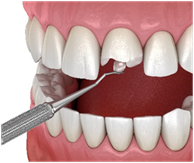
Composite bonding or cosmetic bonding is a procedure where a dentist applies tooth-coloured resin to enhance your teeth’s appearance. It is painless, requires no anaesthesia, and does not alter the natural tooth structure since no drilling is needed.

Composite bonding effectively fixes chipped, fractured, or discoloured teeth, closes small gaps, and improves your smile.

Using modern materials, it is a cost-effective and quick alternative to dental crowns or veneers, and is usually completed in one visit, saving you time andCrooked Teeth money.

Composite Bonding for Crooked Teeth

Composite bonding is an effective method to enhance the aesthetic alignment of slightly crooked teeth. By strategically applying resin, the dentist can mask minor misalignments, thus improving the overall appearance of your smile.

However, composite bonding is only suitable for addressing minor positional discrepancies. For more significant misalignment issues, it is advisable to undergo teeth straightening treatment.

Composite Bonding for Bottom Teeth

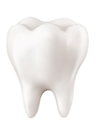
Composite bonding can be applied to enhance the aesthetics of the lower teeth as well; however, several factors need to be considered prior to treatment, such as your bite and the alignment of the upper and lower teeth.

For patients with bruxism or those who experience teeth grinding, composite bonding is not recommended due to the composite resin’s inability toClose Gaps withstand the substantial forces, which may result in fracturing.

Can Composite Bonding Close Gaps in My Front Teeth?

Composite bonding is an excellent option for closing minor gaps between teeth. Whether addressing a single gap or multiple small gaps among various teeth, composite bonding can yield remarkable results.

The dentist applies composite resin to the teeth, effectively closing the gaps or making them less noticeable when complete closure is not feasible. However, if the gap is significantly large, the dentist may recommend teeth straightening treatment prior to composite bonding. This approach prevents the creation of excessively large or disproportionate teeth.

If you would like to find out more about whether composite bonding is for you, call Maidstone Dental & Implant Centre today on 01622 682 029 and book a consultation.

Manual Vs Electric. Which is best?

Manual-electric

Maintaining good oral hygiene is crucial for keeping your teeth healthy. It is recommended to brush your teeth twice daily for two minutes with fluoride toothpaste. Regular brushing helps remove plaque and bacteria, which if neglected, can result in gum disease and tooth decay.

Recently, the variety of available toothbrushes has significantly increased, making it easy to feel overwhelmed by the vast selection in supermarkets and pharmacies. Therefore, it is important to determine which toothbrush is most suitable for your needs.

In this blog, the team at Maidstone Dental & Implant Centre will examine some key characteristics to consider when purchasing a toothbrush:

Brush-varietySize

Opt for a toothbrush with a small enough head to reach all areas of your mouth, including hard-to-reach regions like the sides and backs of your molars. Additionally, the handle should be long enough to hold comfortably.

Bristle Variety

Choose a toothbrush with soft to medium bristles. Hard bristles can easily damage your teeth and gums through overbrushing. Over time, this can lead to toothbrush abrasion, where the enamel is worn away and cannot be replaced.

Effectiveness

Numerous studies have compared the effectiveness of electric versus manual toothbrushes, finding no significant difference. Whether you use an electric or a manual toothbrush, the key lies in employing an effective brushing technique to remove plaque.

UsabilityUsability

The most crucial factor in selecting a toothbrush is ensuring its regular and proper use. Some individuals prefer the clean sensation from a manual toothbrush, while others believe an electric toothbrush provides a better clean. Comfort and enjoyment in using your toothbrush increase the likelihood of adhering to the recommended brushing duration.

Regardless of the type of toothbrush you choose, it is essential to replace it every three months or sooner if the bristles become worn or splayed to ensure effective brushing.

If you remain uncertain, consult your dentist or hygienist at your next appointment for personalized advice on the best toothbrush for your needs. Contact Maidstone Dental & Implant Centre at 01622 682 029 to schedule an appointment.

Restore your smile to its former glory!

Restore-teeth

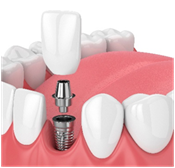
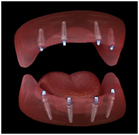
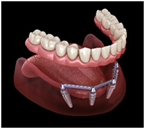
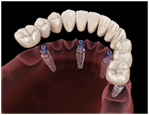
Dental implants are a common method to replace missing teeth. A dental implant is a titanium screw that is placed into the jaw to serve as an anchor for a crown, bridge, or denture, depending on the number of teeth to be replaced.

This month the team at Maidstone Dental & Implant Centre will discuss the benefits of dental implants and the procedure involved in restoring teeth.

Benefits of Dental Implants:

Dental-implants

  • Dental implants are the closest possible replacement to natural teeth and, if cared for properly, can last for over 10 years.
  • Dental implants have a high success rate among implantation treatments, though no treatment has a 100% guarantee of success.
  • Dental implants can support crowns, bridges, or dentures, reducing the need for individual dental implants for each missing tooth.
  • Dental implants help stabilize the jaw, promote new bone growth, and reduce the risk of bone loss, which can prevent sagging and premature aging of the face.
  • Dental implants blend seamlessly with natural teeth, making it difficult to distinguish restorations from original teeth.
  • Over the long term, dental implants can be cost-effective compared to dentures or bridges, which need to be replaced every 5-7 years.
  • Dental implants can securely anchor a denture, preventing movement when talking, eating, or smiling.

Dental-implants-treatmentDental Implant Treatment:

Before any treatment, the dentist will assess your teeth and gums and take x-rays to determine the health of the jawbone. If the bone is not sufficient, a bone graft may be necessary before implant placement.

Dental implants are placed under local anaesthesia. Some discomfort may occur in the week following surgery as the bone fuses to the implant, but this is manageable with over-the-counter pain killers. The implant is left for 3-5 months to form a secure foundation as the bone grows around it.

Once the implant has healed, an abutment is fitted to support a crown, bridge, or denture.

Prior to treatment, the dentist will provide a written treatment plan outlining the procedures and estimated costs.

A dental implant should be maintained with good oral hygiene and regular dental and hygienist appointments.

For more information or to see if dental implants are suitable for you, call Maidstone Dental & Implant Centre on 01622 682 029 to book a consultation.

Invisalign

Invisalign

There are a number of key steps involved in using Invisalign to straighten your teeth.

In this month’s blog the team at Maidstone Dental & Implant Centre look at these key stages.

Attend a consultation appointment.

Using the iTero Element scanner, your dentist can take a fast and precise 3D digital scan of your teeth determining if you are a suitable candidate and mapping out a custom treatment plan.

Moulding Process

Digital scan, photographs, and x-rays create an accurate model of your mouth and teeth. These are sent to the Invisalign laboratory for your custom aligner trays to be created

Invisalign-2Start wearing your aligners.

When you pick up your first custom aligners, your dentist will examine your smile, ensuring high standards from start. With your trays fitted, and your aftercare program clearly explained, you’re ready to go! Your Invisalign aligners are virtually transparent and easy to take out, so you can eat and brush your teeth as normal.

Regular appointments

You’ll have check-ups roughly every 6-8 weeks to check your progress and collect your next set of aligners. Your dentist will check your tooth movements, and tray fit. before providing you with your next set of trays. Depending on the complexity of your case, you could complete your treatment in 6 months, and you’ll start seeing results in a matter of weeks.

Invisalign-3Straighter teeth

After a period of time, your teeth will have straightened out and you will have the smile you desire.

Retainers

It is important that you wear your retainers following treatment to ensure that your teeth do not regress back into their initial position.

At Maidstone Dental & Implant Centre you can be safe in the knowledge that you will always receive the highest possible level of care, in a relaxed and calm environment. If you would like more information about Invisalign and teeth straightening or have any questions do not hesitate to ring the surgery on 01622 682 029.