
Denture Cleaning infographic

Denture Cleaning



Denture Cleaning infographic

Your toothbrush may be one of the smallest items in your bathroom, but it has a very important job to do. Used twice a day with fluoride toothpaste, it helps remove plaque, protect your gums, and keep tooth decay at bay. But with so many toothbrushes now lining the supermarket and pharmacy shelves, choosing the right one can feel surprisingly complicated.
Soft, medium, manual, electric, angled, compact, colourful, basic, high-tech — the choice can be overwhelming. The good news? Finding a great toothbrush does not need to be difficult. The best brush is one that cleans well, feels comfortable, and encourages you to brush properly for the recommended two minutes.
So, before you grab the first brush you see, here are a few simple things to look out for when choosing your next toothbrush.

A toothbrush head should be small enough to reach all areas of your mouth, including the sides and backs of your molars. If the head is too large, it can be tricky to clean those hidden corners properly. A comfortable handle is important too, as you need to be able to control the brush easily while you clean every surface of every tooth.
When it comes to bristles, harder is not better. For most people, a soft to medium-bristled toothbrush is the safest choice. Hard bristles, especially when paired with heavy-handed brushing, can damage the gums and wear away enamel over time. Once enamel has been lost, it cannot grow back, so gentle and thorough brushing is the way to go.
 Manual and electric toothbrushes can both do a great job, provided you use them properly. The real secret is not the gadget; it is your brushing technique. Take your time, clean all tooth surfaces, brush along the gum line, and aim for two minutes twice a day. Some people find an electric toothbrush helpful because it can make thorough cleaning feel easier, but a manual brush can be just as effective in the right hands.
The best toothbrush is the one that makes good brushing easy for you. Some people love the fresh feeling of an electric toothbrush, while others prefer the simplicity and control of a manual one. If your brush feels comfortable and you enjoy using it, you are far more likely to stick to a good routine.
And remember even the perfect toothbrush does not last forever. Replace your toothbrush, or electric brush head, every three months, or sooner if the bristles become worn, frayed, or splayed. A tired-looking toothbrush is less effective at cleaning your teeth properly.
Still unsure which toothbrush is right for you? Ask your dentist or hygienist at your next visit. The team at Maidstone Dental & Implant Centre will be happy to recommend the best option for your mouth and show you how to get the most from your brushing routine. Call us today on 01622 682 029 to book an appointment.

Do you or your children play sport? Whether it is rugby, hockey, football, martial arts, skateboarding, or just a very enthusiastic game in the garden, your smile may need a little extra backup. That is where the mighty mouthguard comes in. It may be a small piece of flexible plastic, but it can make a big difference when things get fast, competitive, and a bit too close for comfort.
Mouthguards are not compulsory for every sport, so they can be easy to forget. But here is the not-so-fun fact: millions of teeth are knocked out every year during children’s sports. The fun part? A well-fitting mouthguard can help reduce the risk of dental injuries, protect the mouth and jaw, and keep everyone smiling after the final whistle.
So, while a mouthguard may not win any fashion awards, it definitely deserves a place in every sports kit bag. Here are three reasons to give it star-player status.

A ball, elbow, stick, or accidental tumble can turn a normal match into an urgent dental appointment. Without a mouthguard, teeth are more likely to become chipped, broken, or even knocked out. Wearing one can help lower the risk of needing treatments such as root canals, crowns, bridges, dental implants, splinting, or jaw-related care later on.
Your teeth are not the only ones who appreciate the extra cushioning. A mouthguard can also help prevent cuts, bruises, and sore surprises to the lips, tongue, cheeks, and face. This is especially useful for anyone wearing fixed braces, where even a small bump can feel like a big deal.
Sports can be brilliant fun, but they can also involve unexpected knocks. Mouthguards may help protect against injuries involving the roots of teeth, the jawbone, and the jaw itself by acting as a buffer when the lower jaw is forced upwards. They may also help reduce the impact of blows that could contribute to concussion.
The bottom line? A mouthguard is a small bit of kit with a big job to do. If you would like advice on protecting your teeth during sports or other athletic activities, speak to your Maidstone Dental & Implant Centre dentist at your next appointment. We can help you choose the most effective protection for your needs. Call us today on 01622 682 029 to book your appointment.

If the thought of sitting in the dental chair makes your stomach do a tiny backflip, you are definitely not alone. Dental anxiety is incredibly common, with around a third of adults feeling uneasy about visiting the dentist— and for around 1 in 10 people, that worry is strong enough to make them avoid appointments altogether.
The good news? There are lots of simple, practical ways to make your dental visit feel calmer, easier and much more manageable. Here are our top tips for turning “Oh no…” into “Actually, I can do this.”
 Sometimes anxiety feels bigger when it stays fuzzy and unspoken. Try writing down exactly what worries you before your appointment. Is it the sound of the equipment? Fear of pain? A bad past experience? Once you know what is bothering you, it becomes much easier to explain it to your dentist — and much easier for them to help.
 Finding the right dentist can make a world of difference. Look for a practice that is recommended, welcoming and experienced in helping nervous patients. When you visit, notice how you feel in the space. Is the team friendly? Do you feel respected? Does the practice feel calm, clean and organised? Those little details can make a big difference to your confidence.
A caring dentist will not dismiss your fears with a quick “Don’t worry.” Instead, they will take the time to understand what you are feeling, explain things clearly and help you feel in control at every stage.
 Your dentist is there to help, not judge. Let them know if you are nervous, what has worried you in the past and what might help you feel calmer. You might agree on a hand signal to pause treatment, ask for things to be explained step by step or simply let the team know you need a little extra reassurance.
Relaxation techniques can work wonders. You could try slow breathing, listen to your favourite music or ask the dental nurse to chat with you about something completely unrelated. Some people like podcasts, some prefer calming playlists, and some just need a friendly conversation. Try a few options and see what helps you feel most at ease.
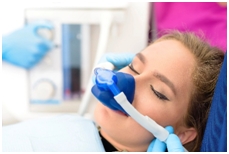
If your dental anxiety feels overwhelming, sedation may be a helpful option. Inhalation sedation involves breathing a mixture of nitrous oxide and oxygen, helping you feel pleasantly relaxed. Intravenous sedation is given by injection, usually in the arm or the back of the hand, and can make you feel drowsy and less aware of treatment while still able to cooperate with your dentist. In both cases, you remain conscious but calmer, making treatment feel much less stressful.
Feeling nervous does not have to stop you from getting the care your smile deserves. If you would like to find out how dental sedation could help you enjoy a calmer, anxiety-free dental appointment, call Maidstone Dental & Implant Centre today on 01622 682029.

Dental X-rays — also called radiographs — are like a superpower for your dentist. They let us see the hidden parts of your smile that are impossible to check with the naked eye, helping us spot early signs of tooth decay, infections, bone changes and other issues before they become bigger problems. Because teeth and bones are dense, they show up clearly on X-rays, while softer areas such as gums and cheeks allow the X-rays to pass through more easily. The result? A clearer picture of what is happening beneath the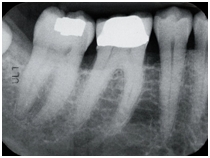 surface.
Why X-rays are so useful
Tooth decay can be sneaky. In the early stages, it often does not cause pain or obvious visible changes. X-rays help your dentist detect decay hiding under fillings, between teeth and in other hard-to-see places. They can also reveal abscesses, infections around the roots of teeth and changes in the jawbone. This information is especially important before treatments such as orthodontics or dental implants, where healthy bone support can make a big difference to the success of treatment.
For children, X-rays can show where adult teeth are developing and when they may come through. For adults, they can help check the position of wisdom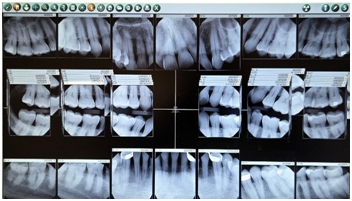 teeth and identify potential issues before they cause discomfort.
Different types of dental X-rays
Not all X-rays are the same. Some focus on just one or two teeth, while others capture a wider view of your mouth, jaw and surrounding structures. Your dentist will choose the most suitable type depending on what they need to check.
Here are some of the most common types:
Some specialist X-rays may require equipment that is not available in every dental practice. If that happens, your dentist may refer you to another surgery so you can receive the most appropriate imaging and the highest standard of care.
care.
Are dental X-rays safe?
This is one of the most common questions patients ask — and understandably so. The good news is that the amount of radiation from a dental X-ray is very small, especially when compared with the natural background radiation we receive from everyday sources such as the environment and minerals in the ground. Modern digital imaging has made dental X-rays even more efficient, and your dentist will only take them when they are clinically needed.
How often will I need X-rays?
When you first join a dental practice, your dentist may recommend X-rays unless you have had them taken very recently. These images become part of your dental health record and help your dentist monitor changes over time. If you move to a newdentist, your existing records may be requested with your permission, or you may be asked to collect them from your previous practice.
After that, X-rays are usually recommended every 9 to 24 months, depending on factors such as your age, dental history, risk of decay and the overall condition of your mouth.
What if I am pregnant?
Please let your dentist know if you are pregnant or think you may be pregnant before any treatment begins. In most cases, routine X-rays can wait until after your baby is born, unless there is an urgent clinical need.
The big takeaway? Prevention is always better than cure — and dental X-rays are one of the clever tools that help your dentist keep your smile healthy, comfortable and confident.
If you would like to learn more about dental X-rays or discuss how they may be used as part of your treatment, call Maidstone Dental & Implant Centre today on 01622 682029 to book a consultation.

Missing teeth can affect more than your smile — they can change how you eat, speak and feel. Dental implants offer a strong, natural-looking way to bring back everyday confidence.
If you are missing one or more teeth, you will know how quickly small everyday moments can become frustrating. Biting into your favourite food, speaking clearly in a meeting, laughing with friends or smiling for a photo can suddenly feel like something you have to think about. That is why dental implants have become such a popular option for people looking for a long-lasting, secure and natural-looking solution to missing teeth.
They look and feel reassuringly natural
One of the biggest reasons people choose dental implants is that they are designed to feel as close to natural teeth as possible. Once restored, they can blend beautifully with your smile, helping you speak, eat and smile without constantly noticing the gap that was there before.
A long-lasting solution for missing teeth
With the right care and regular dental check-ups, dental implants can provide a strong and durable option for replacing missing teeth. For many patients, their stability and longevity make them a worthwhile investment in both their smile and their quality of life.
Eat, speak and smile without second-guessing yourself
Loose dentures or visible gaps can make simple things feel awkward, from choosing what to order at dinner to joining in a conversation. Because dental implants are fixed in place, they can help you enjoy daily life with fewer worries about movement, slipping or discomfort.
They can help protect your surrounding teeth
Unlike some bridge treatments, dental implants do not usually require the healthy teeth on either side of a gap to be prepared for crowns. Because an implant is self-supporting, it can replace the missing tooth while helping to leave neighbouring teeth untouched. It may also help reduce the chance of nearby teeth drifting into the space.
Confidence that shows in everyday moments
A missing tooth can make you hold back without even realising it. You might avoid photos, cover your smile or feel less relaxed when speaking to others. Dental implants can help restore the appearance of your smile, giving you more freedom to focus on the moment rather than your teeth.
Enjoy more of the foods you love
Because dental implants are stable, they can make eating feel easier and more comfortable. Whether you are enjoying a meal out, celebrating a special occasion or simply sitting down to dinner at home, implants can help you feel more relaxed about your food choices.
Support for your jawbone and facial structure
When a tooth is lost, the jawbone in that area can gradually shrink because it is no longer being stimulated by the tooth root. Dental implants help provide that stimulation, which can support the jawbone and help maintain facial structure over time.
A treatment with a strong track record
Dental implants have been tried, tested and refined over many years. They have a long track record of reliability and can provide successful long-term outcomes for many suitable patients. Your dentist will always assess your oral health, jawbone and individual needs before recommending whether implants are the right option for you.
At Maidstone Dental & Implant Centre, we offer 0% finance options to help patients spread the cost of dental implant treatment. We also regularly have special offers available, making it easier to explore whether dental implants could be the right choice for restoring your smile.
If you are ready to find out whether dental implants are right for you, why wait? Call Maidstone Dental & Implant Centre today on 01622 682029 to book your dental implant consultation and take the first step towards a more confident smile.

Summer is all about picnics, barbecues, holidays and catching up with friends — but nothing can spoil a sunny moment quite like worrying about bad breath. If you are searching for simple fresh breath tips or advice from a dentist in Maidstone, the good news is that bad breath is common and often easy to improve with a few everyday oral hygiene habits.
Persistent bad breath, also known as halitosis, is often caused by bacteria building up on the teeth, gums and tongue. Food trapped between the teeth can also create unpleasant smells, especially after garlic, onions, coffee or other strong flavours. A consistent dental care routine can make a big difference to your breath, smile and overall gum health.
Not sure whether your breath is as fresh as you would like? Try this quick check: lick the inside of your wrist, wait a moment, then sniff. If it smells less than lovely, your breath may need a little extra attention — and a visit to your dental hygienist or dentist can help identify the cause.
Brush twice a day with fluoride toothpaste
Think of brushing as your daily reset button. Brush for at least two minutes, twice a day, using fluoride toothpaste to clear away plaque and food debris before bacteria get too comfortable. Replacing your toothbrush every three months, or sooner if the bristles look worn, can also support better oral health.
Clean between your teeth to reduce plaque build-up
Your toothbrush is brilliant, but it cannot reach everywhere. In fact, brushing only cleans around 60% of the tooth surface. Floss, interdental brushes or dental tape help reach the hidden spaces between teeth where food particles, plaque and bacteria love to linger.
Stop smoking to improve bad breath and gum health
Smoking can leave a smell that sticks around long after you have brushed your teeth. It also dries out the mouth, which can make bad breath worse and increase the risk of gum problems. Quitting is one of the best steps you can take for your oral health, and your dentist can offer friendly advice and support.
Chew sugar-free gum to support saliva flow
Sugar-free gum is a handy breath-friendly companion, especially when you are out and about. Chewing helps stimulate saliva, which naturally washes away food debris and bacteria that can contribute to bad breath and a dry mouth.
Book regular dental check-ups and hygiene appointments
Sometimes bad breath is a sign that something else is going on, such as gum disease, tooth decay, infection or another health issue. Regular dental check-ups and hygiene appointments help your dentist spot problems early, professionally clean hard-to-reach areas and recommend the right next steps for your smile.
Looking for a dentist in Maidstone to help with bad breath, gum health or routine dental care? Call Maidstone Dental & Implant Centre on 01622 682029 to book an appointment and enjoy fresher breath with more confidence this summer.

Hearing the words root canal treatment can sound a little intimidating, but the goal is actually very simple: to save a tooth that is badly decayed or infected and get your mouth feeling comfortable again.
Inside every tooth is a soft centre called the pulp, which contains the nerve tissue. If that area becomes damaged, bacteria can multiply and cause infection. In some cases, this can lead to an abscess—a pocket of pus that forms at the tip of the tooth root and may cause pain, swelling, or sensitivity.
Root canal treatment often gets an unfair reputation for being painful, but in reality, it is usually no more uncomfortable than having a filling. The treatment is designed to deal with pain caused by infection—not create more of it.
In this month’s blog, the team at Maidstone Dental & Implant Centreare taking the mystery out of the process and walking you through what usually happens if your dentist refers you for root canal treatment.
Here is how the treatment usually works, step by step: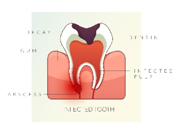
Preparation
Your dentist will usually begin by taking an X-ray to check the shape of the root canals and look for signs of infection in the surrounding bone. The area will then be numbed with local anaesthetic, so you stay comfortable throughout treatment. To keep everything clean and dry, a rubber dam is placed around the tooth—think of it as a little protective raincoat for the area being treated.
Cleaning
Next, a small opening is made in the tooth so the dentist can reach the inside. Any damaged pulp, bacteria, and infected tissue are carefully removed, and the root canals are cleaned using very fine instruments called files. This stage is all about clearing out the problem and preparing the tooth for sealing.
Sealing
Once the tooth has been thoroughly cleaned, it is sealed to help protect it from further infection. If there is still infection present, your dentist may place medication inside the tooth first. Sometimes the tooth can be sealed on the same day; other times, a temporary filling is used between appointments to keep out food and saliva until treatment is completed.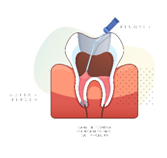
Filling
At the next stage, the inside of the tooth is filled using a sealer paste and a rubber-like material called gutta percha. This helps fill the root canals and support the treated tooth. A filling is then placed to close the opening made at the start of the procedure.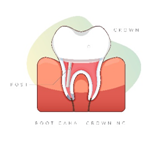
Restoration
The final step is restoring the tooth so it can get back to doing its job properly. In many cases, a crown is recommended after root canal treatment to strengthen and protect the tooth, helping restore its full function and making it more durable in the long run.
Many people are surprised to learn that once a tooth has fully come through the gums, its nerve is not essential for the tooth to keep working normally. The nerve mainly provides sensation, such as hot or cold. So although the tooth may no longer feel temperature in the same way after treatment, it can still function perfectly well.
If you have questions about root canal treatment or think you may need expert care, the team at Maidstone Dental & Implant Centre is here to help. Call 01622 682029 to book your consultation and take the first step towards saving your tooth and getting comfortable again.

Brushing twice a day with fluoride toothpaste is a brilliant start—but your toothbrush cannot do all the heavy lifting on its own. The tiny spaces between your teeth are perfect hiding places for plaque and trapped food, which is where interdental cleaning comes in. Think of it as the finishing touch to your routine, helping to keep your teeth cleaner, your gums happier, and your smile feeling fresh.
It can help calm bleeding gums
If your gums feel sensitive or bleed a little, it can be tempting to avoid cleaning between your teeth. But oddly enough, that is usually when interdental cleaning matters most. Bleeding gums can be an early sign that gum disease is starting to develop, and gently cleaning between the teeth can help improve gum health over time. In other words, do not panic—stay consistent.
It helps protect against tooth decay
Even the best brushing routine can miss bits of food tucked away between teeth. If those food particles stay there, bacteria in your mouth get to work, which can lead to bad breath, gum problems, and tooth decay. Interdental cleaning helps sweep out those hard-to-reach leftovers, giving your mouth a cleaner, fresher feel and helping your smile stay in top form.
Your whole body may thank you for it
Flossing and other interdental cleaning habits do more than keep your teeth looking good. More and more research suggests that gum health may be linked to wider health issues, including heart disease, diabetes, stroke, poor pregnancy outcomes, and dementia. So, while cleaning between your teeth may seem like a small daily task, it can play a bigger role in your overall wellbeing than you might think.
So, what should come first?
Brushing may win alphabetically, but interdental cleaning should really take the lead in your routine. Cleaning between the teeth first loosens plaque and food debris, making brushing more effective afterwards. It also gives the fluoride in your toothpaste a better chance to reach the tooth surfaces and do its job properly. A small switch in order can make a surprisingly big difference.
If you would like to learn more about how interdental cleaning can boost your oral health, get in touch with Maidstone Dental & Implant Centre on 01622 682 029 to book an appointment with our hygienist today.

Just had your teeth whitened (or thinking about it)? That fresh, brighter smile is a great feeling—and it’s only natural to want to keep it looking its best for as long as possible.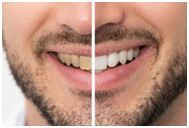
Teeth whitening is a simple, effective way to lighten the natural colour of your teeth without damaging the teeth themselves. Treatment can be done at home or in-practice by our trained dentists and hygienists, and it can be tailored around your schedule. At Maidstone Dental & Implant Centre we use advanced whitening systems from Pola, Zoom and Enlighten—world leaders in teeth whitening products—so results can be seen in as little as 2–3 weeks.
Whitening results can last up to three years, but most people find they need a quick top-up about once a year to keep that brighter shade. The good news is there’s plenty you can do day to day to help your results last.
Below are a few easy, realistic habits that can make a big difference.
The basics really do matter—good daily cleaning helps prevent stain build-up and keeps your teeth looking brighter.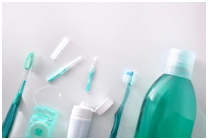
If you want to give your whitening results the best chance of lasting, a visit to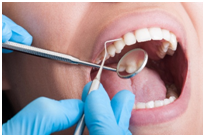 the hygienist can be a great idea. A scale and polish helps remove plaque and calculus (tartar) build-up, which can contribute to a duller appearance over time. It can also lift surface staining caused by smoking, food and drink, and everyday lifestyle factors.
You’ll also get personalised advice on the best routine for your mouth—so you leave knowing exactly what to do between visits.
A handy rule of thumb: if it can stain your clothes or the tablecloth, it can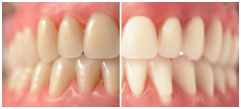 probably stain your teeth too.
Common culprits include red wine, black tea, cigarettes and cigars, colas, gravies, and darker juices and berries. You don’t necessarily have to avoid them completely—but being aware of them (and rinsing with water afterwards) can help.
And it’s not all about avoiding things—some foods can actually help. Firmer, crisp foods can gently help clean teeth as you eat them. Apples, raw carrots and celery are simple favourites.
If you’d like to find out more about teeth whitening—or you’re wondering which option would suit you best—please contact Maidstone Dental & Implant Centre on 01622 682029 to book a consultation.