


If you’ve been told a tooth can’t be saved, it’s completely normal to feel a bit thrown. One minute you’re thinking about an ache or a broken tooth, and the next you’re wondering what your smile will look like and what happens next.
The reassuring part is that you’ve got options—and you don’t have to figure them out on your own. The best choice depends on where the gap is, how your other teeth and gums are doing, what feels right for your lifestyle, and your budget. Below is Maidstone Dental & Implant Centre’s friendly, no-jargon guide to the most common ways we can help.
Option 1: Leave the gap (sometimes this is absolutely fine)
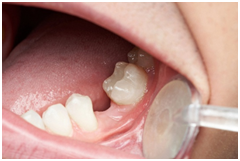
If the missing tooth isn’t on show when you smile and it’s not getting in the way of eating comfortably, it may be perfectly reasonable to leave the space and simply keep an eye on things.
A gentle heads-up: over time, teeth can slowly drift into spaces. That can affect your bite and sometimes make cleaning a little harder. Food can also collect in the gap, which may increase the risk of decay or gum problems if it isn’t cleaned away well.
If you do choose to leave it for now, just mention it at your routine check-ups so we can monitor any changes and keep everything healthy.
Option 2: A denture (a removable replacement)
Dentures are a tried-and-tested way to replace one or more missing teeth.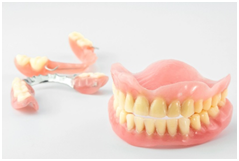 They’re removable and made specifically for you using impressions of your mouth, so they’re designed to fit your smile. Dentures are commonly made from acrylic (plastic) or chrome (metal), and they may use small clasps around your natural teeth to help keep them stable.
A nice bonus: sometimes a denture can be fitted straight after an extraction—so you’re not left feeling self-conscious about a visible gap while you heal.
One thing to keep in mind: as the area heals, the gum and bone naturally shrink a little. That’s completely normal—but it can mean your denture may need a small adjustment, a reline, or occasionally a remake later on so it stays comfortable and secure.
Option 3: A dental bridge (a fixed option)
A bridge is a fixed way to fill the space, using the teeth on either side for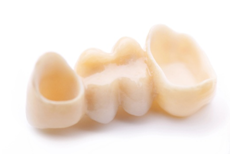 support. Put simply, we place crowns on the neighbouring teeth and join them to a natural-looking false tooth (or teeth) that sits in the gap.
Bridges are usually made from tooth-coloured ceramic and carefully shade-matched to your smile—so once it’s fitted, it should look and feel like it belongs.
Is it right for you? the teeth either side of the gap need to be healthy and strong enough to support a bridge. With good brushing, interdental cleaning, and regular check-ups, bridges often last around 5–10 years (and sometimes longer).
Option 4: A dental implant (the closest feel to a natural tooth)
Implants are a popular option because they’re designed to be as close as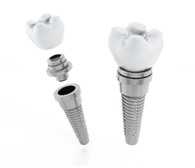 possible to a natural tooth. The implant itself is a small titanium screw placed in the jaw to act like a replacement root. Once that’s secure, we fit a crown (or sometimes a bridge) on top—so implants can replace a single tooth or support several teeth.
First, we check the foundations: you’ll have a full assessment so we can look at the health of your gums and the amount of bone available. If there isn’t enough strong bone to support an implant, a bone graft might be recommended before we go ahead.
After the implant is placed, your bone needs time to heal and bond around it (usually around 3–4 months). Once everything has settled nicely, we can fit the final tooth on top.
With good home care and regular dental visits, implants can last for many years. For lots of people, they’re the most natural-feeling way to replace a missing tooth.
If you’re not sure which option is best, that’s exactly what we’re here for. In a consultation we’ll take a proper look, talk through what matters most to you, and help you choose a plan that feels comfortable, sensible, and right for your smile.
If you’d like to talk through replacing a missing tooth (or simply get some reassurance about the next step), call Maidstone Dental & Implant Centre on 01622 682029 to book a consultation.