



Most people know that smoking can damage their general health, but its effects on the mouth are sometimes overlooked. Tobacco use can stain the teeth, increase the risk of gum disease, contribute to tooth loss and, in more serious cases, raise the risk of mouth cancer. Understanding these risks is an important step towards protecting both your smile and your overall wellbeing.
Why smoking stains teeth
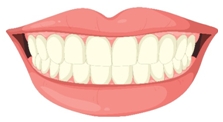
Nicotine and tar in tobacco can quickly leave yellow staining on the teeth. Over time, particularly for people who have smoked for many years, these stains may become darker and more noticeable. This can affect the appearance of your smile and may also have an impact on confidence in social and professional situations.
Smoking, gum disease and tooth loss
Smoking can make gum disease more likely and more difficult to manage.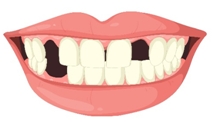 Smokers often have higher levels of harmful bacteria in plaque, and if plaque is not removed effectively, it can irritate the gums and lead to inflammation. Smoking also reduces the oxygen supply in the bloodstream, which means the gums may not heal as well. As a result, gum disease can progress more quickly in smokers than in non-smokers. Because gum disease is a major cause of tooth loss in adults, stopping smoking is one of the most positive steps you can take for long-term oral health.
The link between smoking and mouth cancer
Smoking is associated with a higher risk of several cancers, including cancers of the mouth and throat. Mouth cancer can affect the lips, tongue, cheeks, gums, floor of the mouth and throat area. Regular dental check-ups are important because your dentistcan look for changes in the mouth that may need further investigation.
Five practical tips to help you quit smoking
1. Set a quit date

Choose a specific date to stop smoking and give yourself time to prepare. If possible, avoid choosing a period when you know you will be under unusual pressure, as stress can make cravings harder to manage.
2. Stay positive
If you have tried to quit before, that experience can still help you succeed. Think about what made quitting difficult last time and what support, routines or changes could help you stay on track this time.
3. Keep your goals simple
Trying to change too many habits at once can feel overwhelming. For many people, focusing first on quitting smoking is more realistic than attempting several major lifestyle changes at the same time.
4. Get moving
Physical activity can be a useful way to manage cravings and build new routines. If you usually smoke after meals, for example, a short walk can help replace that habit with a healthier one.
5. Remember your reasons
Before you stop, write down the reasons you want to quit. These might include improving your health, protecting your teeth and gums, saving money, or feeling more confident. When cravings appear, reading your list can help you refocus until the urge passes.
If you would like advice about how smoking may be affecting your oral health, or if you are ready to make this the year you quit for good, contact Maidstone Dental & Implant Centre on 01622 682029 to book a consultation.