



Dental X-rays — also called radiographs — are like a superpower for your dentist. They let us see the hidden parts of your smile that are impossible to check with the naked eye, helping us spot early signs of tooth decay, infections, bone changes and other issues before they become bigger problems. Because teeth and bones are dense, they show up clearly on X-rays, while softer areas such as gums and cheeks allow the X-rays to pass through more easily. The result? A clearer picture of what is happening beneath the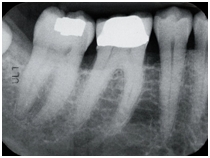 surface.
Why X-rays are so useful
Tooth decay can be sneaky. In the early stages, it often does not cause pain or obvious visible changes. X-rays help your dentist detect decay hiding under fillings, between teeth and in other hard-to-see places. They can also reveal abscesses, infections around the roots of teeth and changes in the jawbone. This information is especially important before treatments such as orthodontics or dental implants, where healthy bone support can make a big difference to the success of treatment.
For children, X-rays can show where adult teeth are developing and when they may come through. For adults, they can help check the position of wisdom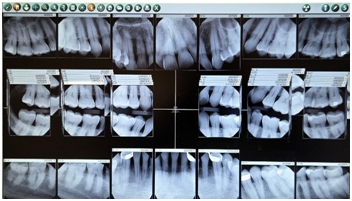 teeth and identify potential issues before they cause discomfort.
Different types of dental X-rays
Not all X-rays are the same. Some focus on just one or two teeth, while others capture a wider view of your mouth, jaw and surrounding structures. Your dentist will choose the most suitable type depending on what they need to check.
Here are some of the most common types:
- Periapical X-rays show the whole tooth, from the crown right down to the supporting bone.
- Bite-wing X-rays show the upper and lower back teeth together, helping your dentist spot decay between teeth and check how the teeth meet.
- Panoramic X-rays give a wide view of the teeth, jaws, sinuses, nasal area and jaw joints. These are often used when planning orthodontic treatment or dental implant placement.
- Occlusal X-rays show the floor of the mouth and the bite of the upper or lower jaw. They are particularly useful for monitoring children’s tooth development.
Some specialist X-rays may require equipment that is not available in every dental practice. If that happens, your dentist may refer you to another surgery so you can receive the most appropriate imaging and the highest standard of care.
care.
Are dental X-rays safe?
This is one of the most common questions patients ask — and understandably so. The good news is that the amount of radiation from a dental X-ray is very small, especially when compared with the natural background radiation we receive from everyday sources such as the environment and minerals in the ground. Modern digital imaging has made dental X-rays even more efficient, and your dentist will only take them when they are clinically needed.
How often will I need X-rays?
When you first join a dental practice, your dentist may recommend X-rays unless you have had them taken very recently. These images become part of your dental health record and help your dentist monitor changes over time. If you move to a newdentist, your existing records may be requested with your permission, or you may be asked to collect them from your previous practice.
After that, X-rays are usually recommended every 9 to 24 months, depending on factors such as your age, dental history, risk of decay and the overall condition of your mouth.
What if I am pregnant?
Please let your dentist know if you are pregnant or think you may be pregnant before any treatment begins. In most cases, routine X-rays can wait until after your baby is born, unless there is an urgent clinical need.
The big takeaway? Prevention is always better than cure — and dental X-rays are one of the clever tools that help your dentist keep your smile healthy, comfortable and confident.
If you would like to learn more about dental X-rays or discuss how they may be used as part of your treatment, call Maidstone Dental & Implant Centre today on 01622 682029 to book a consultation.