Benefits of Interdental cleaning
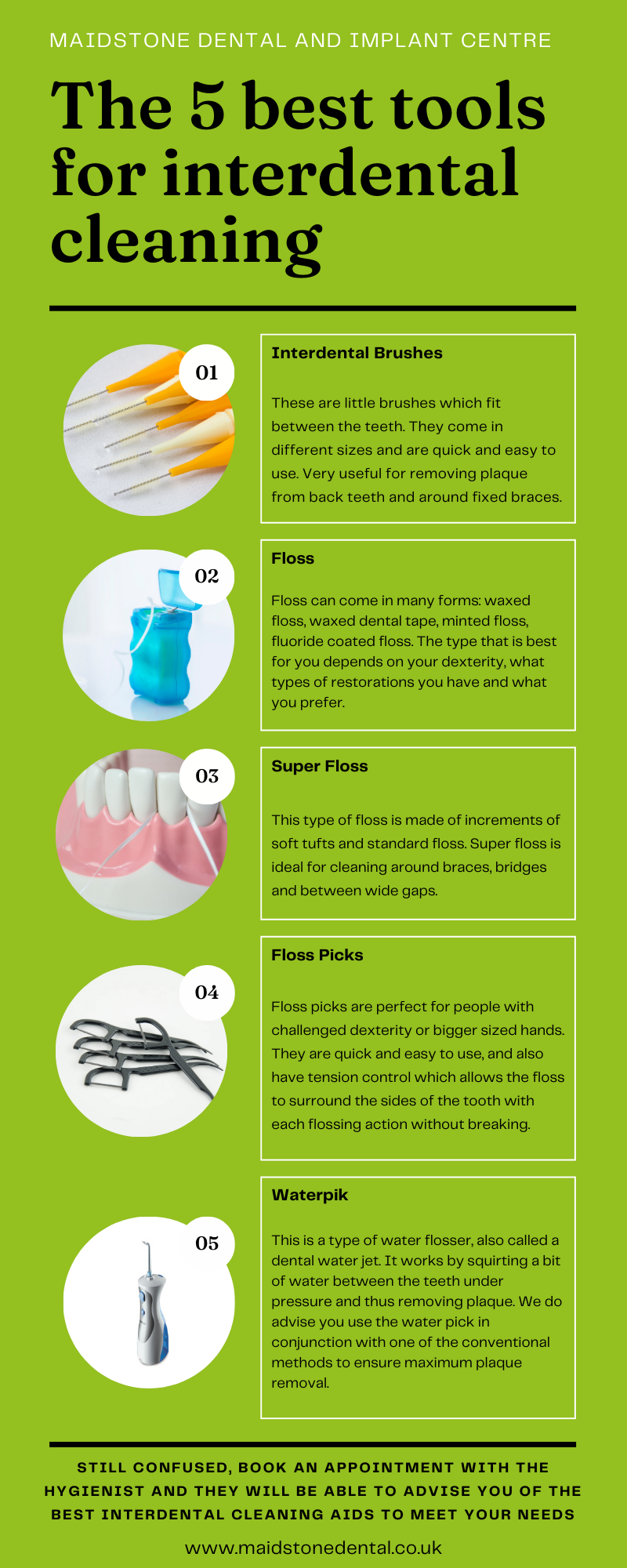


Benefits of Interdental cleaning

For many of you, your only experience of a dentist will be your six-monthly check-ups, so you only see us in action for 40 mins a year!
What do we do for the rest of our time though? There’s no such a thing as a ‘normal’ or average day, as each appointment is different.
One of the most enjoyable things about being a dentist is that there is no such thing as a routine day. Every day is different, and every day is varied. However, here’s is a bit of an outline and insight into what we are up to all day!
Patients
Most of my days are spent in surgery assessing and treating patients. I am always pleased when someone chooses us to look after them and want to ensure that we always offer the highest possible standard of treatment.
Dental Emergencies
We ALWAYS try and get you out of pain, but we can’t always do the full treatment there and then, as we simply don’t know how long we will need until we’ve seen you. Sometimes I have to rebook you back in for a longer appointment to carry out the full treatment once I’ve patched you up.
Notes
After every appointment – regardless of the reason for the visit, there are notes to write on the computer and I need liaise with reception, so they know if you need to come back for any reason.
Managing the team
I would not be able to work efficiently without a skilled and efficient team and at Maidstone Dental & Implant Centre I am incredibly lucky to have one of the best. The nurses help to keep the surgery running to time, whilst the reception team are amazing at ensuring that my appointment book is always full but that we always have the ability to see a patient in a dental emergency.
Training
As part of my ongoing registration with the GDC I am required to complete a certain amount of training every year, some of this is linked to improving my skills and knowledge so that I can provide a higher service to patients, whilst other parts are involved in health and safety, safeguarding, infection control or medical emergencies. To name but a few!
Why did I want to become a dentist?
I loved science, I loved working with people, and I couldn’t stand the idea of sitting behind a desk.
One thing I really like about dentistry is that you can usually help someone pretty instantly. You can take a tooth out, do a root canal or put in a filling there and then. I like the instant feeling – I can put my gloves on and I can fix your tooth.
There is also a lot of planning involved and it’s nice to have a mixture of both. Sometimes I look at a patient’s mouth and see they haven’t been to the dentist in a while and need a number of different treatments. I do enjoy the planning and staging, doing the appointments and seeing the results over a longer period of time. That’s equally satisfying.
What’s The Best Thing About my Job?
I like the variety. I like being able to rebuild someone’s smile.
I like seeing patients who were previously too nervous to even come into the room, and now we’re doing treatment. I like seeing patients over a long period of time, from little kids to teenagers, to bringing in their own children and even grandchildren.
Every patient is different, so every day is different. Yes, there are the most common treatments: fillings, root canals, making crowns and check-ups. But every day still brings something different, a new challenge or a more unusual procedure.
Over the years dentistry has changed far more than I could ever have imagined when I first qualified and I am sure will continue to grow and evolve in the years to come, ensuring that patients are pain free and feel confident in their teeth and smile.
If you have any questions or would like to book an appointment contact Maidstone Dental & Implant Centre today on 01296 712264.
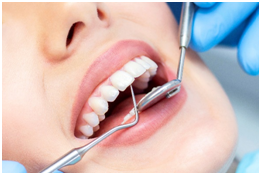
What is a hygienist?
Dental hygienists are specially trained members of the dental team who focus on preventative dental health and treating gum disease, currently the leading cause of tooth loss in adults in the UK.
What does a hygienist do?
The hygienist will scale your teeth to remove any plaque and calculus, will advise you on the best oral hygiene routine to use in between visits to maintain your oral health and they will advise you on lifestyle factors that can affect the health of your teeth and gums.
They will be able to give you focused advice to help care for dental implants, teeth straightening appliances and may also suggest that you give up smoking. Smoking will have a detrimental effect on your teeth increasing the risk of gum disease and staining.
How often should I see the hygienist?
How often you should visit the hygienist will depend on the health of your teeth and gums. To begin with the hygienist may advise that you attend every three months but over time as your oral hygiene improves you should need to visit the hygienist less often.
What are the benefits of visiting the hygienist?
Can I see the hygienist without seeing the dentist?
You are now able to see the hygienist without first seeing the dentist. It must however be noted that a visit to the hygienist is no an alternative to seeing the dentist. You will still need to see the dentist for your routine appointments and the hygienist will refer you to the dentist if they notice any problems or you require treatment which is outside of the training.
What should I do to look after my teeth in between hygienist visits?
In between visits you should follow the oral care routine advised by the hygienist including:
If you’d like to learn more about the benefits of attending for a hygienist appointment, contact the team at Maidstone Dental & Implant Centre on 01296 712264.
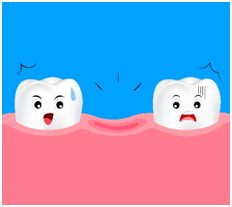
Dental implants are safe, reliable and established cosmetic treatment that helps you replace missing teeth. A dental implant is a replacement for the root of your tooth or teeth. Dental implants are secured into the jaw bone and will not be visible once they have been placed. The implant is then used as a base to support a crown, bridge or denture depending on the number of teeth to be replaced. Along with replacing lost teeth, dental implants help maintain the jawbone’s shape and density. This means they also support the facial skeleton and, indirectly, the soft tissue structures — gum tissues, cheeks, and lips. Dental implants help you eat, chew, smile, talk and look completely natural. Dental implants are made of titanium which is lightweight, strong and biocompatible, which means that it is not rejected by the body. Dental implants have the highest success rate of any implanted surgical device but as with all implants there is no 100% guarantee of success.
Prior to treatment
Prior to any treatment the dentist will need to complete a full assessment of the level and health of bone present in your jaw. To do this they will need to take x-rays of your jaw. If you do not have sufficient bone or the bone is not healthy enough it may be necessary to perform a bone graft prior to any treatment being completed.
Treatment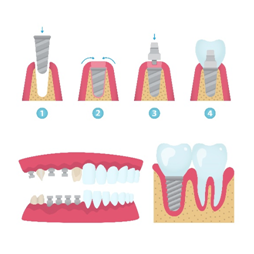
Dental implants are placed under a local anaesthetic so should be no different to having a filling. You may experience some discomfort in the week following surgery as the bone begins to fuse to the implant. This will then be left for 3-5 months to form a secure foundation.
Once the implant has fully healed an abutment is fitted over the top, which will support the crown, bridge or denture. Depending on the number of teeth to be replaced it may be necessary to have more than one implant to support a bridge or denture.
Prior to starting any treatment, the dentist will provide you with a full written treatment plan explaining exacting what treatment will be carried out and the estimated cost.
Aftercare
Dental implants should last for at least 10 years provided that they are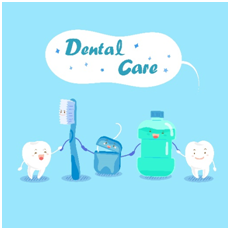 properly cared for. Cleaning around the teeth attached to the implants should be no more difficult than cleaning your natural teeth.
If you suffered from gum disease prior to implant placement there is a chance that gum disease will develop around the implant. Provided you keep the area clean with regular toothbrushing and interdental cleaning and attend the dentist and hygienist for regular routine appointments there should not be a problem.
If you are a smoker the dentist will advise that dental implants are not the best treatment for you as smoking can dramatically reduce the chance of dental implants being successful.
If you have any questions or would like more information on whether dental implants are right for you contact Maidstone Dental & Implant Centre today on 01296 712264and arrange a consultation.
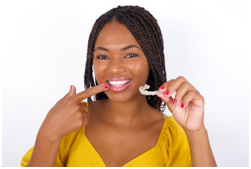
If you’re considering treatment to straighten your teeth, it’s likely you’re trying to decide between traditional metal braces and Invisalign. You know that Invisalign looks better, but does Invisalign work as well as metal braces? In this month’s blog, the team at Maidstone Dental & Implant Centre have put together their thoughts on the most significant benefits of Invisalign over traditional braces.
You Can Eat and Drink Whatever You Want
With traditional metal braces, there’s an extensive list of verboten foods. Hard foods can cause brackets to break off of your teeth when you bite into them, while chewy foods easily get stuck on, in, and around your brackets and wires, creating the perfect breeding ground for sugar-loving bacteria. With Invisalign, you’ll never have to worry about committing a list of forbidden foods to memory. Simply take your aligner trays out before meals and snacks, eat whatever you want, brush (or at the very least, rinse with water), and put your aligners back in place.
Invisalign Is Virtually Invisible
Before Invisalign, so many adults liked the idea of having straighter teeth, but were put off by the prospect of traditional metal braces. Invisalign is a game-changer for anyone in need of teeth straightening treatment. Most people won’t even know you’re wearing your aligners––they’re made with thin, clear plastic that’s almost invisible. Now you can get the beautiful smile you’ve always wanted without drawing attention to the fact that you’re straightening your teeth.
Oral Hygiene Is Easier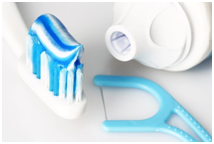
Metal braces make good oral hygiene extraordinarily difficult. It’s not impossible, of course, but flossing and brushing around your brackets and wires takes a lot of time and patience. With Invisalign, oral hygiene is as simple as removing your plastic aligners and brushing and flossing as usual.
You’ll Never Have Orthodontic Emergencies
One of the many inconveniences of traditional braces is the inevitable teeth straightening emergency. Invisalign aligners are strong––you don’t have to worry about breaking them. That means no emergency visits to the dentist.
Invisalign Is Comfortable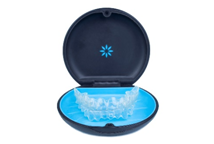
Invisalign aligners are made with smooth plastic that fits snugly against the teeth, in contrast to obtrusive metal brackets. There are no wires poking your cheeks and soft tissue, and no painful wire tightening every four weeks––instead, you’ll switch your aligners yourself at home every two weeks.
You Can Remove Your Aligners
Because Invisalign aligners are practically invisible, there’s really no need to ever remove them. Sometimes, though, our patients have special events that they’d prefer to attend without wearing their aligners––a wedding, giving an important speech at a conference, or even a first date. With Invisalign, removing your aligners for a few hours is not a problem.
Invisalign Is Just as Effective as Traditional Metal Braces
Invisalign isn’t just made with plastic––it’s made from advanced SmartTrack® material, for more predictable, controlled tooth movements. Invisalign is just as effective as metal braces for almost all orthodontic cases..
You’ll Spend Less Time at the Dentist
You spend a lot of time at the dentist with traditional metal braces. Every four weeks, you’ll go in for a scheduled visit where your braces will be adjusted and tightened. Because there are no wires with Invisalign to tighten, you only need to follow up with us every six weeks, and these visits are much quicker than they are with traditional braces. We’ll just take a look to make sure your treatment is on the right track and send you on your way.
Find Out More About Maidstone Dental & Implant Centre Invisalign Services
If you’d like to learn more about whether Invisalign is right for you or you’d like to schedule an appointment for a consultation with one of our dentists, contact us on 01296 712264.

Many adults who suffer with headaches may never realize, however, that their dental health may cause or worsen their headache symptoms.
If you find yourself struggling with unexplained headaches, you may need to evaluate your teeth or jaw for any underlying conditions that might factor into your pain. Discover three such issues that can play a role in acute or chronic headaches.
Tooth Damage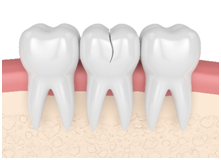
Any tooth damage that exposes sensitive nerve tissue can cause pain. However, this pain may not limit itself to the affected tooth. Pain in the tooth’s nerve pulp can travel along the trigeminal nerve to other parts of the head, resulting in what feels like a classic tension headache or light or sound sensitivity, nausea, and vomiting.
A cracked, broken, or severely worn tooth should receive prompt professional care, not only to guard against infection and improve function but also to prevent or relieve pain. Permanent crowns can cover and protect damaged enamel, safeguarding the nerve tissue against unwelcome stimuli and preventing additional damage.
Infections and Abscesses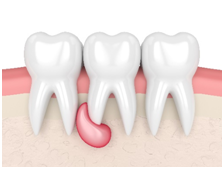
In addition to triggering nerve pain, a fractured or decayed tooth can also develop a painful bacterial infection. The bacteria destroy the sensitive pulp chamber of the tooth, causing symptoms such as pain, fever, and swelling. It can also invade the jaw, resulting in an abscess.
Diseased nerve tissue can transfer pain to the face or head just as easily as acute damage to the tooth enamel. An abscess in the upper jaw can also produce an acute sinus infection, causing debilitating sinus or migraine headaches.
Fortunately, you can avoid the worst of these complications by treating that nagging toothache as quickly as possible. Root canal treatment can often save even a seriously infected tooth, while antibiotics can clear up any infection in surrounding tissues. As the infection recedes, so will your headaches.
Bruxism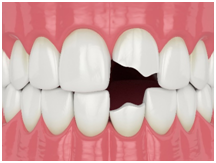
The unconscious grinding or clenching of teeth can produce chronic headaches. This problem, known as bruxism, typically occurs during sleep. Emotional stress and alignment problems between the top and bottom teeth can fatigue the jaw muscles, wear down the enamel, or even lead to tooth fractures.
The tooth damage from bruxism can transfer nerve pain from the teeth into the face and head. Meanwhile, strain on the jaw muscles can cause pain that spreads from these muscles to your head, resulting in a TMJ-related tension headache.
Your dentist can help you ward off bruxism-related headaches. You may need to have a custom night guard fitted to reduce overnight jaw tension and enamel wear.
If you suspect that your headache problem might actually stem from a dental problem, start your search for solutions at Maidstone Dental & Implant Centre today on 01296 712264to schedule an evaluation and learn more about dental treatment for headaches.

5 Oral health tips to keep your whites pearly.
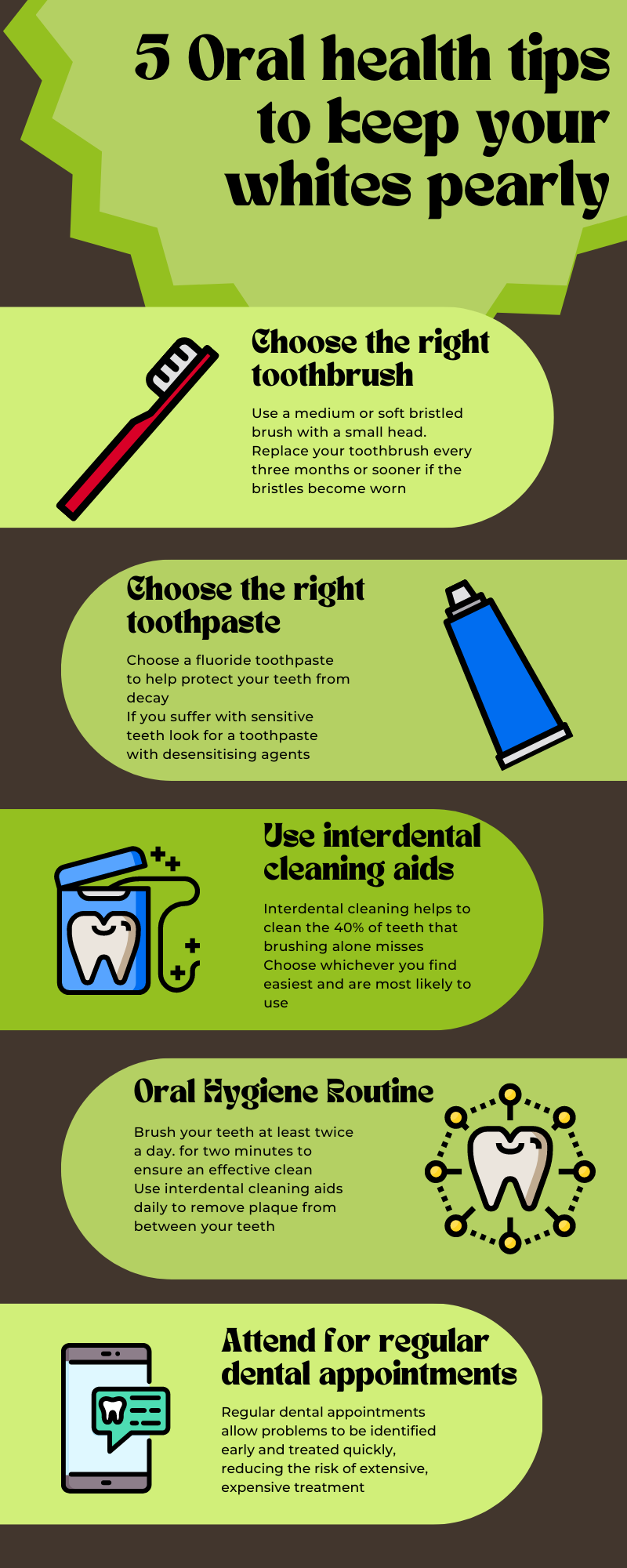
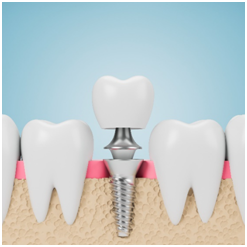
It seems that if you have missing teeth,your dentist will be singing the praises of what dental implants have to offer.
But with that said, dental implants do have some down-sides to consider. Fortunately, many of those supposed disadvantages have very beneficial advantages that outweigh them.
In this month’s blog we look at the pros and cons of dental implants
Pro: A Dental Implant Can Last a Lifetime
Studies have shown that well-cared for dental implants can last decades, suggesting they’ll be a lifelong part of your smile. The failure rate of dental implants is extremely low. With a 98% success rate, dental implants are the most proven and effective treatment offered in modern dentistry.
Con: The Restoration on Top Can Wear Out
Your implant is only the part of the tooth that supports a fixed restoration on top of it. If you get a crown or a bridge, the porcelain can still wear out and need to be replaced every decade.
Pro: Dental Implants Mimic Natural Teeth
Dental implants’ design is based on the natural size and shape of the tooth they’re replacing. This feature allows them to support your bone and facial tissues for a healthy and youthful appearance.
Con: You’ll Need Enough Bone to Support Them
As with natural teeth, you’ll need enough bone to hold dental implantsin place. Going quite some time with a missing tooth allows for the bone to shrink. Fortunately, a bone graft can help with this dilemma.
Pro: They’re the Most Cost-Effective Missing Tooth Treatment
Compared to other types of restorations that need to be routinely replaced every several years, the price of dental implants is relatively less.
Con: Initial Investments Cost More Than Other Options
Your upfront treatment expenses will be slightly more if you get dental implants, compared to choosing something like dentures. However, it’s the long-term numbers that prove this investment is worth it!
Pro: You Can Replace as Many Teeth as You Need To
With dental implantsit is possible to use one, two, or as few as four to support anything from a single crown to a full arch denture. You do not necessarily need an individual implant for each tooth that is missing. They are extremely durable and support more weight than a natural tooth.
Con: The Process Can Seem Time Consuming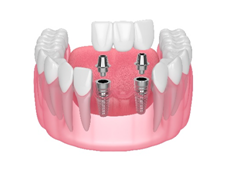
Planning your dental implant surgery requires several phases of treatment. From the consultation and exam to the surgical placement, followed by the healing phase and restorative visits, you may wind up requiring multiple appointments over the course of around six months.
If you are considering getting dental implants, schedule a consultation at Maidstone Dental & Implant Centre today on 01296 712264 and see what our highly trained team of dentists can suggest to restore your smile to its former glory.
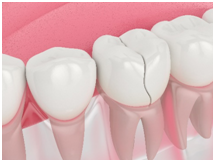
A broken tooth stops you from smiling and shatters your confidence. Some of the common causes of the tooth breaking are eating hard food like hard boiled sweets or an ice cube, falling accidents, tooth injury or cavities.
However, the good news is that modern dentistry has the solutions to most dental problems.
Some of the dental treatment options for broken tooth are:
1. Dental Crown
Dental crowns can be useful in covering the entire affected portion of tooth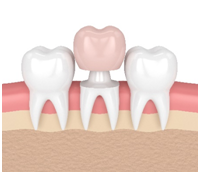 and restore the tooth’s shape and appearance. Typically, crowns are made of metal, porcelain, and ceramic. Dentists consider it one of the safest options to fix or restore decayed or broken teeth.
2. Veneers
Veneers are the most popular cosmetic, restorative solution for improving your smile. Porcelain veneers are hand crafted, fine pieces of porcelain that fit over your tooth in the same way a false nail fits over your fingernail. They can be used to correct a variety of different flaws including chipped, damaged, crooked, gapped, or discoloured teeth
3. Dental implants
If your tooth is broken beyond repair and needs to be extracted. Dental implants provide a safe, reliable, and established cosmetic treatment to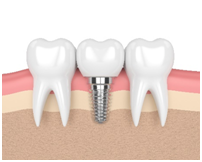 replace missing teeth. It is a safe titanium screw that is placed into the jawbone to replace the missing root. Once the screw has settled in the jawbone the tooth-coloured crown is then placed on it.
4. Bonding
Many dentists consider dental bonding one of the easiest and least expensive cosmetic dental procedures, providing a strong, durable and long-lasting finish for the damaged tooth.
5. Root canal
Both broken and cracked teeth can lead to infections in the tooth roots. Your dentist may suggest root canal treatment to treat the broken teeth in such a situation. They remove the infection first and then place a crown to strengthen and protect the tooth.
6. Filling
With improvements in filling materials in recent years, white fillings can now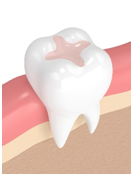 be used to repair most teeth successfully and your dentist will be able to advise you on the life expectancy of any restoration. White fillings blend with your natural teeth ensuring that they will not be visible when you laugh or smile.
Do not hesitate to call Maidstone Dental & Implant Centre on 01622 682 029 if you damage a tooth. Our highly experienced dentists can then help you find the most suitable option to repair your tooth.
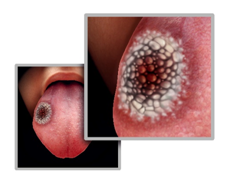
Mouth cancer can affect the lips, tongue, cheeks, and throat and can affect anyone, whether they have their own teeth or not. In the last year 8.700 people have been diagnosed with disease in the UK.
Sadly, more than 2,000 people die from the die every year with many of these deaths being preventable. If the cancer is caught early there is a 90% chance of survival, this however drops to as little as 50% when the cancer is found at a late stage.
Risk Factors
Currently, 91% of mouth cancer diagnoses are linked to lifestyle factors, therefore it is possible to reduce the risks of developing mouth cancer by amending some of our lifestyle choices.
1. Tobacco
The majority of mouth cancer cases continue to be caused by smoking and tobacco use. Smoking accounts for two in three of all mouth cancer cases. The chemicals in the cigarette all enter the body through the mouth, where they transform the saliva which then damages the cells in the mouth and overtime can turn them cancerous. Research has shown that by quitting you can reduce your risk of mouth cancer by a third. So why not use this Mouth Cancer Action Month as the time to stop!
2. Alcohol
Drinking over your recommended alcohol units on a regular basis is another major risk factor linked with the development of mouth cancer. The occasional glass of wine is not an issue, but a bottle in a night could be. Moderation really is the key!
Smoking and drinking together trebles the risk of developing mouth cancer.
3. Human Papilloma Virus (HPV)
HPV is the major cause of cervical cancer and affects the skin that lines the moist areas of the body. HPV can be spread through oral sex, and research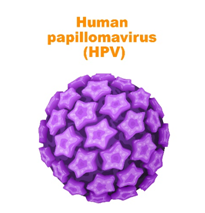 suggests that it could soon rival smoking and drinking as one of the main causes of mouth cancer.
Practicing safe sex and limiting the number of partners you have may help reduce your chances of contracting HPV.
4. Chewing and smokeless tobacco
Smokeless tobacco is any tobacco product that is placed in the mouth or nose and not burned.Chewing and smokeless tobacco is extremely harmful and can significantly increase a person’s risk of being diagnosed with mouth cancer.
5. Diet
Poor diet has been linked to 30% of all mouth cancer cases. It is important to have a diet rich in vitamins and minerals, this will not only help to reduce the risk of developing mouth cancer, it will also help to keep your body fit and healthy. Mouth cancer risk is lowest in people with diets high in fibre and Omega 3.
6. Family history, genetics, and the immune system
Although we do not know why, there is a slight increase in risk of mouth cancer if you have a close relative diagnosed with the disease.
Mouth cancer can also be more likely for those who carry certain inherited genes. Links have been found for those with genetic conditions affecting the bone marrow, skin, or fingernails.
Signs and Symptoms</strong
There are three main symptoms that should not be ignored:
It is important if you notice any of these that you get them checked out by your dentist as soon as possible. Call Maidstone Dental & Implant Centre on 01622 682 029and book an appointment today. If in doubt get it checked out!